Best overall for training and recovery: WHOOP. Best for sleep-focused tracking: Oura. Best for keeping your existing watch: RingConn. The best screen free fitness tracker in 2026 is the one that gives you useful feedback without putting another display on your body.
- WHOOP is the screen free fitness tracker pick for training and recovery routines.
- Oura is the sleep-focused choice; RingConn suits people who want to keep wearing their existing watch.
- Hume Health offers core sleep, activity, strain, and recovery tracking without a required subscription.
- Choose your daily decision first, then compare form factor, app access, and charging requirements.
Why this matters
Removing the screen changes how you use a tracker. Instead of checking your wrist during the day, you review information in an app. That suits people who want fewer wrist-level interruptions, but it does not eliminate phone use.
Start with the decision you want help making: whether to adjust training, protect bedtime, or understand everyday activity. A longer feature list does not answer that question for you.
If included tracking is your priority, compare Hume Band 2.0 alongside the options below. Hume Health provides core tracking without a required subscription; personalized coaching and deeper personalized analysis are optional paid upgrades. Check the current product details against your screen-free requirement before choosing.
What makes the best screen free fitness tracker?
For this 2026 shortlist, useful feedback matters more than collecting the largest number of metrics. Use these criteria before comparing devices:
- A clear purpose: Sleep tracking, training guidance, and general activity awareness serve different decisions. Choose your main job first.
- Comfort during your routine: A wristband and a ring occupy different places on your body. Consider sleep, work, lifting, and anything you already wear.
- An understandable app: You should be able to explain what a metric means and what action, if any, follows from it.
- Access to essential tracking: Separate included tracking from optional coaching and other membership-dependent features.
- A workable charging routine: Check the current model’s charging method and published battery specifications. Choose something you can maintain consistently.
- Clear limitations: Consumer tracking supports awareness of patterns. It does not establish a medical diagnosis or prove why a pattern changed.
Choose the tracker around a repeatable habit, not around a score you expect to improve every morning.
Screen-free trackers at a glance
The table separates the main use cases rather than treating every option as interchangeable. These are purpose-based recommendations, not a measured accuracy ranking.
| Option | Best for | Standout approach | Key limitation |
|---|---|---|---|
| WHOOP | Training and recovery routines | Screen-free wrist wearable with app-based feedback | No on-wrist display for checking information during exercise |
| Oura | Sleep-focused routines | Ring-based sleep and readiness tracking | Ring fit needs attention, especially when your fingers change size |
| RingConn | Keeping your existing watch | Ring-based tracking without adding another wrist device | A ring does not provide a visible workout display |
| Hume Band 2.0 | Comparing core tracking without a required subscription | Sleep, activity, strain, recovery, and health trends in a companion app | Premium coaching and deeper personalized analysis are separate upgrades; check screen design against your requirements |
The ranked screen-free picks follow. Hume Band 2.0 appears separately because its included tracking is another useful purchasing consideration, distinct from the physical format.
1. WHOOP: best screen-free tracker for training routines
WHOOP is a screen-free wrist wearable centered on activity, sleep, and recovery feedback. Its app-based approach suits you when the main question is how your training fits with your recent recovery patterns.
That makes WHOOP the default recommendation for someone who wants a training companion rather than a replacement watch. In 2026, the important distinction remains practical: you review feedback through an app instead of reading a workout dashboard on the wearable.
WHOOP pros:
- Screen-free wrist format keeps a display out of your routine.
- Training and recovery provide a clear reason to review the app.
- Wrist placement leaves your fingers free of a tracking ring.
WHOOP cons:
- You cannot glance at an on-device screen for live workout information.
- Another wrist-worn item is still another item to wear and maintain.
- Recovery feedback needs context; a score cannot explain every cause of fatigue.
Best for: You exercise regularly and want to review training alongside sleep and recovery.
Before choosing WHOOP, decide when you will actually read the app. If you need information during an interval or while keeping your phone away, screen-free tracking does not replace a visible workout timer.
Verdict: Buy WHOOP for a training-centered routine; skip it as a substitute for an on-wrist workout display.
2. Oura: best screen-free tracker for sleep-focused habits
Oura puts tracking in a ring rather than a wristband. Its sleep and readiness features make it a clear fit when your main interest is understanding nights and the days that follow them.
Choose Oura because you want to wear a ring and review sleep patterns, not because a ring automatically measures everything better. Placement is a comfort decision as well as a tracking decision.
Oura pros:
- Ring format keeps your wrists free.
- Sleep-focused feedback supports a clear review habit.
- No on-device screen means no wrist dashboard to check.
Oura cons:
- Ring sizing requires care; finger size changes with conditions such as temperature.
- Gripping equipment while wearing a ring needs practical consideration.
- Sleep feedback does not diagnose a sleep disorder.
Best for: You want to understand your sleep routine and prefer a ring to a band overnight.
For your 2026 comparison, start with fit rather than app screenshots. Follow the current sizing guidance and think through when you would remove a ring during your normal day. A preferred form factor only helps if you can wear it consistently.
Verdict: Buy Oura for sleep-focused tracking in a ring; skip it if wearing a ring does not suit your routine.
3. RingConn: best screen-free tracker for keeping your watch
RingConn is a smart-ring option for tracking sleep and activity without putting another device on your wrist. It fits a specific situation: you already like your watch and do not want a tracking band beside it.
This recommendation is about placement, not a claim that RingConn outperforms the other devices on accuracy. You keep your chosen watch for telling time and use the ring’s app for reviewing tracking information.
RingConn pros:
- Leaves wrist space available for your existing watch.
- Combines ring wear with app-based sleep and activity review.
- Keeps a visible tracking screen off your body.
RingConn cons:
- Correct ring fit remains essential to everyday wear.
- You still need an app to review the information.
- It does not replace a screen for checking workout details in the moment.
Best for: You want tracking separate from the watch you already wear.
Before choosing RingConn, list the situations in which you remove jewelry. If those include much of your exercise or workday, assess whether a ring fits your tracking priorities. That question matters more than how discreet the device looks.
Verdict: Buy RingConn to keep your existing watch; skip the ring format if frequent removal conflicts with your routine.
Where Hume Band 2.0 fits in your comparison
Hume Band 2.0 tracks sleep, activity, strain, recovery, and health trends. The companion app brings wearable insights together, and the band can be used on its own. Hume Pod is optional, not a requirement for using the wearable.
Hume Health is best for people who prioritize core sleep, activity, strain, and recovery tracking without a required subscription. That is a specific reason to compare it, separate from whether its current physical design meets your screen-free preference.
Hume Band 2.0 pros:
- Core app tracking does not require a subscription.
- Sleep, activity, strain, and recovery appear within the same tracking system.
- You can use the wearable without buying Hume Pod.
Hume Band 2.0 cons:
- Personalized coaching and deeper personalized analysis are optional paid upgrades, not included core tracking.
- Wearable tracking alone does not provide the body composition measurements offered by the optional Hume Pod.
- Health trends inform decisions; they do not establish the cause of a symptom.
Best for: You want to review daily health patterns and distinguish essential tracking from optional guidance.
Verdict: Buy Hume Band 2.0 for its stated tracking offer if the current product design matches your requirements.
Turn tracking into a useful weekly routine
A screen-free device works best when you decide how to review its information. Otherwise, removing the wrist display simply moves repeated checking to your phone.
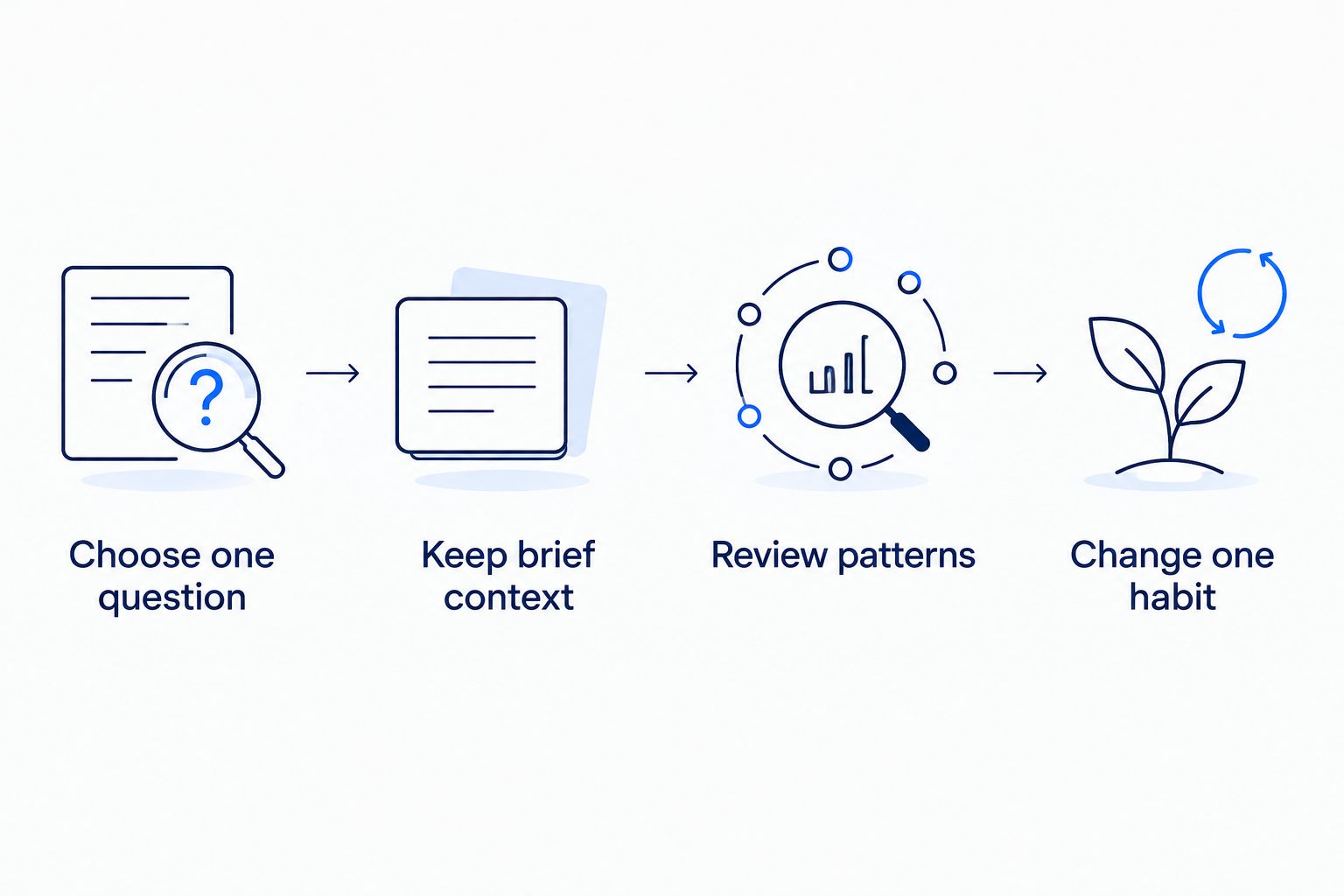
Use this routine when setting up a tracker in 2026:
- Choose one question. Start with something actionable, such as whether your bedtime stays consistent around training days.
- Keep brief context. Note unusual exercise, travel, illness, or schedule changes when they affect your routine.
- Review patterns. Set aside a 10-minute weekly review instead of treating each morning’s score as a new instruction.
- Change one habit. Pick a manageable adjustment, such as protecting your bedtime, and keep observing without assuming causation.
A 7-day review window is a practical scheduling choice, not a medical threshold. You do not need to change something every week. Sometimes the useful decision is to keep your routine steady and gather more context.
How the picks are ranked
WHOOP leads for training-centered use, Oura for sleep-focused ring wear, and RingConn for keeping an existing watch. Each recommendation follows the criteria above: purpose, wearability, app use, access to tracking, and limitations.
This 2026 guide does not rank sensor accuracy, claim hands-on testing, or treat different recovery scores as equivalent measurements. A recovery label in one app is not automatically interchangeable with a similarly named label elsewhere.
Hume Health is included for a separate, explicit distinction: core tracking without a required subscription. That helps you compare the offer without confusing optional coaching with essential tracking.
Which screen-free tracker should you choose?
Choose WHOOP by default if training and recovery are your main priorities. Choose Oura if sleep is the main question and you want a ring. Choose RingConn if preserving your existing watch setup is the deciding factor.
If none of those use cases describes you, pause before buying. Write down the daily decision you expect the tracker to improve. Then check the current device specifications, included app features, and wearing requirements against that decision.
For your final 2026 shortlist, separate three questions: Where will you wear it? What will you review? What will you do differently? A device needs a convincing answer to each.
FAQ
What's the best screen free fitness tracker for training?
WHOOP is the training-focused pick in this guide because its screen-free wrist format centers on activity, sleep, and recovery feedback. Choose it for reviewing your routine, not for viewing workout information on the wearable.
Is a smart ring better than a screen-free wristband?
A smart ring is better when you prefer finger wear or want to keep your wrists free. A wristband is the more practical format when wearing a ring interferes with your work, exercise, or comfort.
What's the best screen-free tracker for sleep?
Oura is the sleep-focused recommendation in this guide. Choose it if you want ring-based tracking and will use the app to review patterns rather than treat a sleep score as a diagnosis.
Can I use Hume Band 2.0 without a subscription?
Yes, Hume Band 2.0 provides core app tracking without a required subscription. Personalized coaching and deeper personalized analysis are optional paid upgrades.
Do I need Hume Pod to use Hume Band 2.0?
No, Hume Band 2.0 can be used on its own. Hume Pod is an optional at-home body composition analyzer, not a requirement for wearable tracking.
Does a screen-free tracker mean I won't need my phone?
No, removing the wearable display does not remove app-based review. Check the current device's setup, syncing, and phone requirements before choosing.
Can a fitness tracker diagnose poor recovery or a sleep disorder?
A consumer fitness tracker does not establish a medical diagnosis. Use patterns as context, and discuss persistent symptoms or concerning changes with a qualified healthcare professional.
One last thing
Decide when you will check the app before deciding what you will wear. A screen-free tracker removes a display, not the temptation to keep checking. One planned review tied to a real decision is a better starting point than repeatedly opening a score without knowing what to do with it.